The work happens in the materials.
We help new sustainable materials get out of the lab and into real parts.
Milton Make supplies engineering plastics to manufacturers across Mainland China, Hong Kong SAR and Southeast Asia. Our sustainable-materials team inside Make looks for places where a recycled or bio-based grade can replace a conventional one, then works with you on the technical and commercial side so the switch lasts.
More on Milton Make+Every material is a set of tradeoffs.
A material trades off feedstock, performance, cost, supply security and end of life. Before we recommend a grade, we ask five questions, look at the whole picture and say plainly what we don't know yet.
What it's made from
Recycled, bio-based or fossil feedstock, and where it comes from.
How it's made
The process that turns that feedstock into a pellet.
How it gets there
How far it travels, and whether the supply will keep coming.
How it performs
Whether it holds up in the part for as long as the part needs to last.
What happens at end of life
Whether it can be recycled again, and what happens if it isn't.
Quality makes for sustainability.
A part that fails early gets replaced, and the replacement has a footprint too.
From spec sheet to production part
These are grades in our portfolio and the parts they are made for.
Up to 98%Up to 012345678901234567890123456789012345678901234567890123456789%
About 72%About 012345678901234567890123456789012345678901234567890123456789%
Bio-based PA
- Bio-based, UL 94 V-0, halogen-free
Coffee machine boiler accessories
65% + 12%012345678901234567890123456789012345678901234567890123456789% + 012345678901234567890123456789012345678901234567890123456789%
Recycled PA6
- 65% ocean-bound plastic from abandoned fishing nets, plus 12% post-consumer recycled
Power tool housings
75 to 100%012345678901234567890123456789012345678901234567890123456789 to 012345678901234567890123456789012345678901234567890123456789012345678901234567890123456789%
Recycled or bio-circular PC
- Up to 75% recycled, or up to 100% bio-circular under ISCC PLUS mass balance
Portable speaker visual effect parts
37 to 50%012345678901234567890123456789012345678901234567890123456789 to 012345678901234567890123456789012345678901234567890123456789%
Floor-cleaning robot functional parts
Content figures are the material suppliers' published figures for each grade.
Milton's Original USB charging cable
The first product we designed ourselves, to showcase the materials we sell. We gave it out as samples at Chinaplas 2026.
This product uses locally sourced recycled PC and ABS, with UL 2809 and GRS certifications, to showcase the availability and practicality of recycled alternatives.
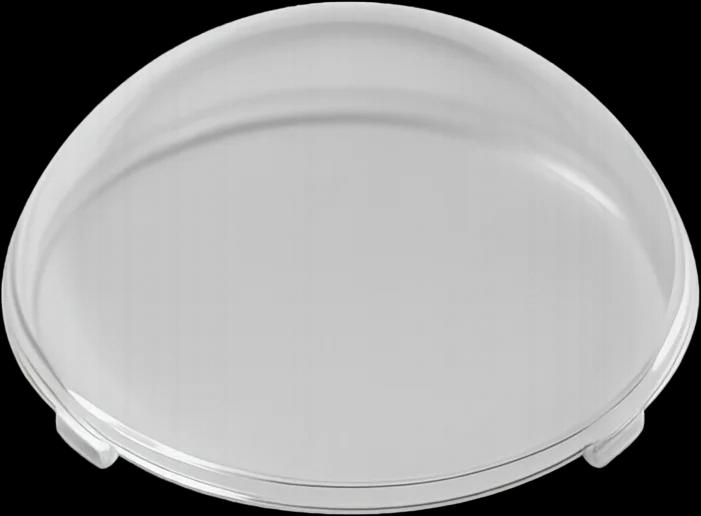
- Transparent cover
- PC, about 50% recycled · UL 2809
- Material footprint2.0 kg CO₂e per kg012345678901234567890123456789.012345678901234567890123456789 kg CO₂e per kg
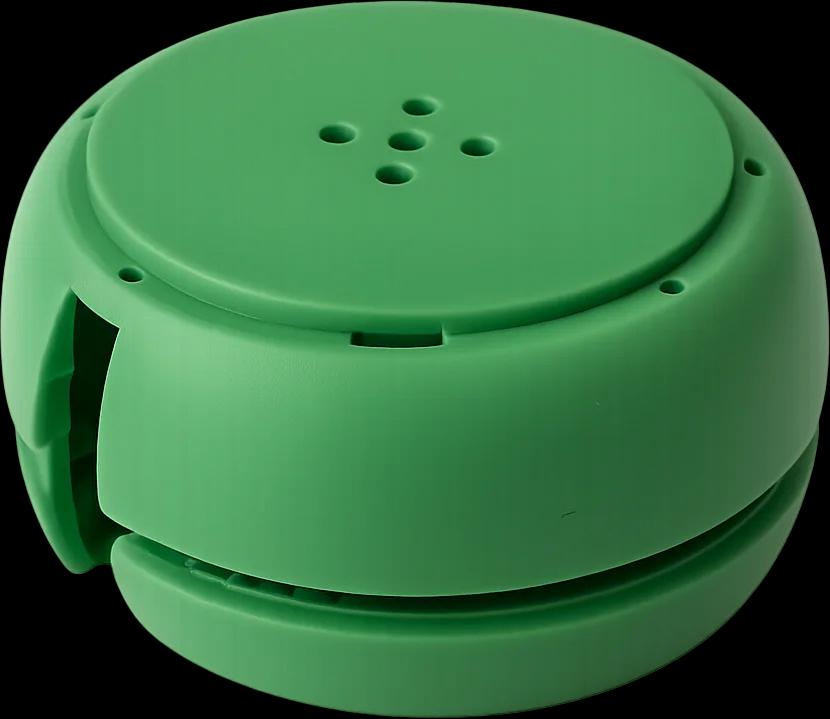
- Outer shell
- ABS, 100% recycled · GRS
- Material footprint0.89 kg CO₂e per kg012345678901234567890123456789.012345678901234567890123456789012345678901234567890123456789 kg CO₂e per kg